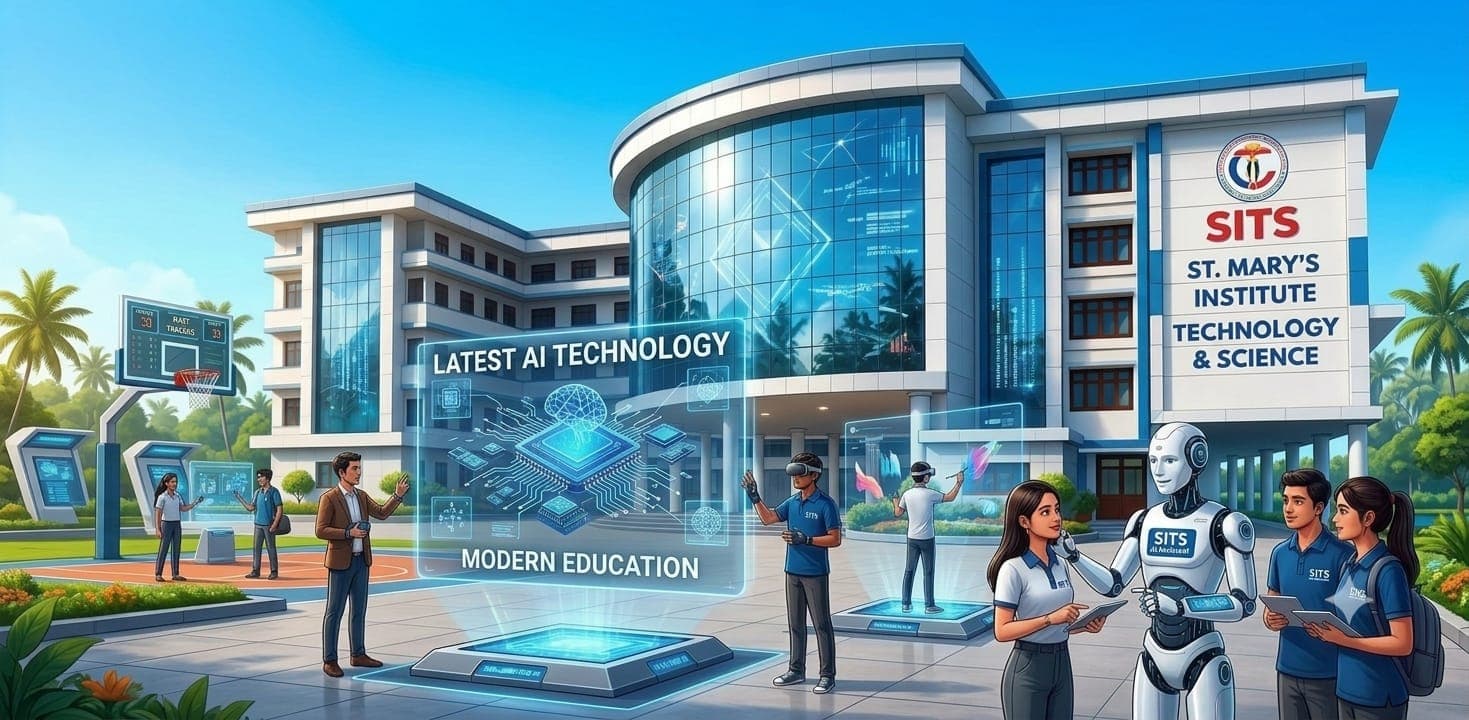
Technology
AI in Modern Education
Exploring how artificial intelligence is transforming classrooms and preparing students for the future of technical education.
July 8, 20265 min read
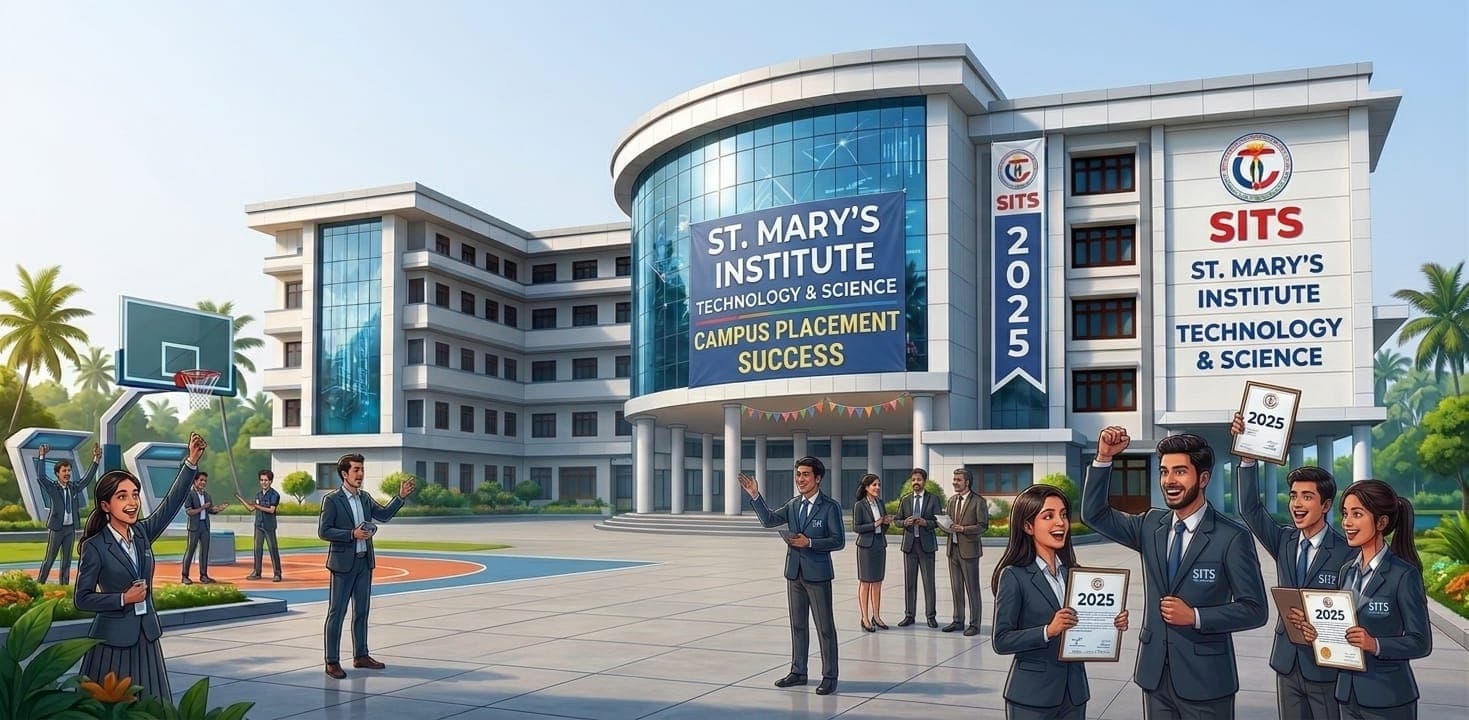
Learn how our students secure excellent placement opportunities through skill development and industry partnerships.

Placement Cell
Artificial Intelligence in education refers to the use of intelligent software and machine learning technologies to improve teaching, learning, and administrative processes. AI systems can analyze student performance, recommend personalized learning materials, automate repetitive tasks, and provide real-time assistance.
Educational institutions worldwide are adopting AI to enhance academic outcomes while reducing administrative workload, allowing educators to focus more on meaningful student interactions.
One of the biggest advantages of AI in modern education is personalized learning. Every student learns differently, and AI helps bridge this gap by analyzing individual learning patterns, strengths, and areas for improvement.
Instead of following a one-size-fits-all approach, AI-powered learning platforms recommend customized lessons, practice exercises, and assessments based on each student's progress. This adaptive learning approach helps students understand concepts more effectively while learning at their own pace.
AI is not replacing teachers—it is empowering them. Many repetitive administrative tasks, such as grading objective exams, tracking attendance, organizing schedules, and generating performance reports, can now be automated using AI.
By reducing routine work, educators have more time to mentor students, develop creative lesson plans, and provide personalized guidance. AI also offers valuable insights into classroom performance, helping teachers identify students who may need additional academic support.
Modern classrooms are becoming more interactive with AI-powered technologies. Smart learning systems, intelligent tutoring platforms, speech recognition, and virtual teaching assistants are making education more engaging than ever before.
Students can receive instant answers to questions, access digital study materials anytime, and participate in interactive learning experiences beyond the classroom. AI also supports online education by providing automated feedback, personalized recommendations, and real-time learning analytics.
AI plays a significant role in making education more inclusive. Students with disabilities benefit from speech-to-text tools, text-to-speech systems, real-time translation, and AI-powered accessibility features.
Language translation technologies also help international students understand educational content more effectively, creating opportunities for global learning without language barriers.
Beyond academics, AI prepares students for future careers. Intelligent career guidance systems analyze student interests, academic performance, and industry trends to recommend suitable career paths, certifications, and skill development opportunities.
Many educational institutions are also integrating AI-related subjects into their curriculum, helping students develop future-ready skills in data science, machine learning, automation, and digital technologies.
While AI offers numerous advantages, educational institutions must address challenges such as data privacy, ethical AI usage, cybersecurity, and equitable access to technology. Human teachers remain essential because emotional intelligence, creativity, critical thinking, and mentorship cannot be fully replaced by machines.
The future of education will be increasingly driven by Artificial Intelligence. As AI technologies continue to advance, students can expect more personalized learning experiences, smarter classrooms, intelligent tutoring systems, and data-driven educational decisions.
Colleges and schools that embrace AI today are better positioned to prepare students for tomorrow's digital world. By combining innovation with quality education, AI is helping create a learning environment that is more efficient, inclusive, engaging, and future-ready.
Artificial Intelligence is transforming education not by replacing teachers, but by empowering students and educators to achieve better learning outcomes. As educational institutions continue to adopt AI responsibly, the future of modern education promises greater opportunities, improved accessibility, and a more personalized learning experience for everyone.
CONTINUE READING
Explore more stories, campus updates, and insights from St. Mary's Polytechnic College.
Technology
Exploring how artificial intelligence is transforming classrooms and preparing students for the future of technical education.
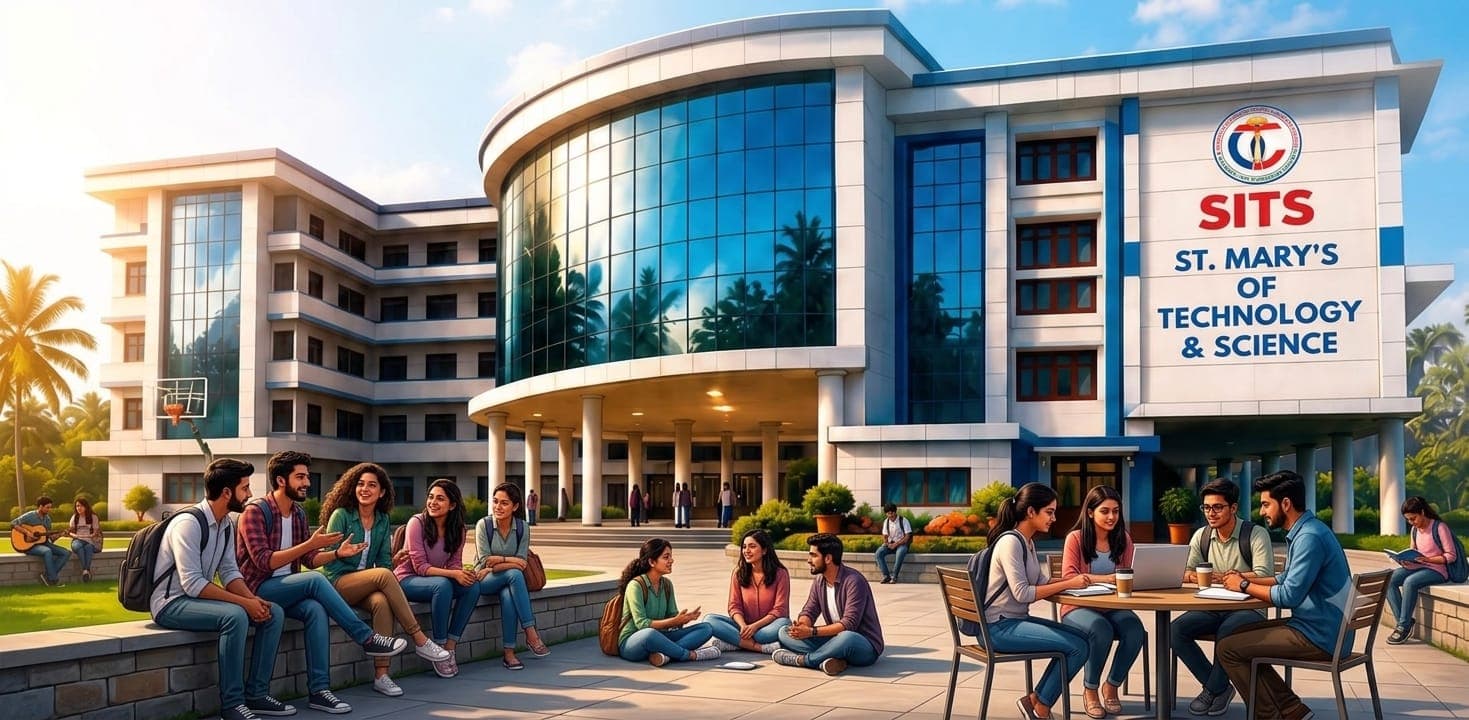
Campus
Discover student experiences, extracurricular activities, and the vibrant learning environment at St. Mary's Polytechnic College.